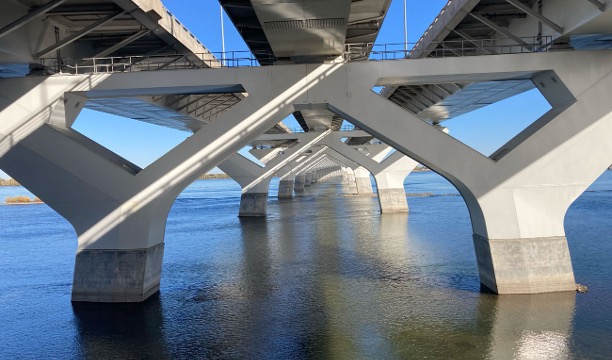
The original Champlain Bridge Deconstruction Project Earns Envision Gold Rating


Latest measure of sustainability achievement for a transformative project

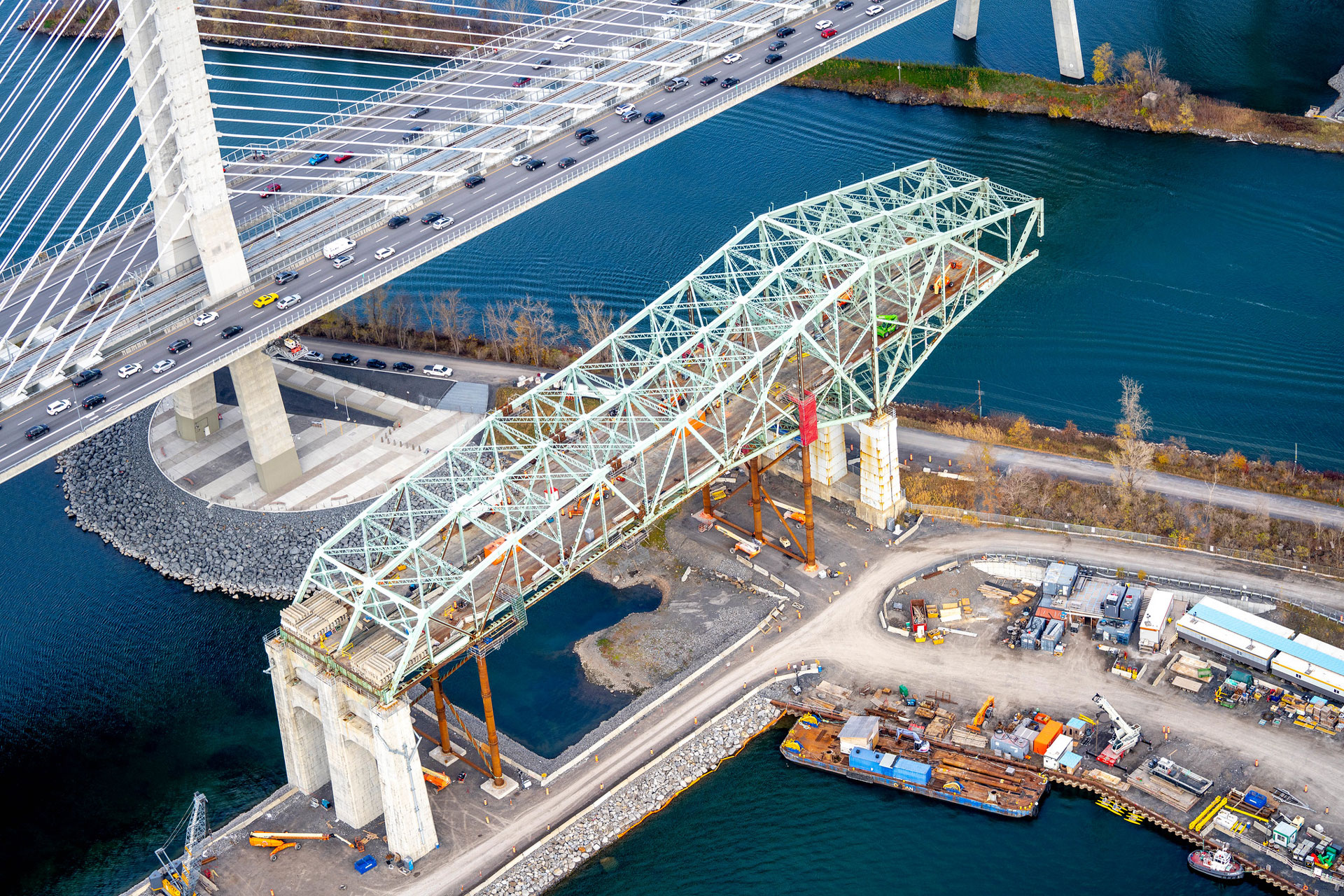
The original Champlain Bridge deconstruction project, centred on the removal of the former bridge linking the cities of Montreal and Brossard, has received the prestigious Envision Gold rating from ISI for its exceptional sustainability performance. Managed by The Jacques Cartier and Champlain Bridges Incorporated (JCCBI), a Canadian Federal Crown Corporation, the deconstruction of the bridge was carried out between 2020 and 2023 with a strong focus on sustainability throughout.

Following completion, the owner implemented the revitalization and shoreline redevelopment component of the project between 2024 and the spring of 2026, where sustainability was equally prioritized. With the Envision Gold Award, the project’s diverse and long-term sustainability achievements have been recognized and validated through an independent, thirty-party evaluation processed managed by ISI.

“The Envision Gold rating for the original Champlain Bridge deconstruction project is a proud recognition of our efforts to deliver the project differently — by protecting the St. Lawrence River environment, maximizing the value of recovered materials, advancing our knowledge on infrastructure, and creating a lasting community legacy through the Héritage Champlain Pathway,” said Sandra Martel, Chief Executive Officer of JCCBI.

“Congratulations to the entire team on earning Envision Gold for the original Champlain Bridge Deconstruction Project,” said Anthony Kane, President & CEO of ISI. “The project carefully safeguards various ecosystems, restores aquatic zones and enhances natural shoreline areas. This exemplary project truly reflects the spirit of Envision: by dismantling a structure that could no longer be used, the team seized the opportunity to ensure the local community inherits a cleaner, healthier, and more connected environment.”

Project Background

The deconstruction of the 3.4-kilometre bridge spanning the St. Lawrence River within a dense urban environment was technically complex and was completed using innovative methods rather than conventional demolition techniques. Working in a highly sensitive aquatic ecosystem, the project used temporary jetties and barge platforms to minimize environmental impacts. In January 2022, the project reached a key milestone in its staged deconstruction process with the controlled lowering of the 2,200-tonne, 117.5-meter central steel span onto a barge for subsequent dismantling operations. Overall, 96% of the former bridge material (by mass) was recycled or reused, including structural steel and concrete, and 100% traceability.
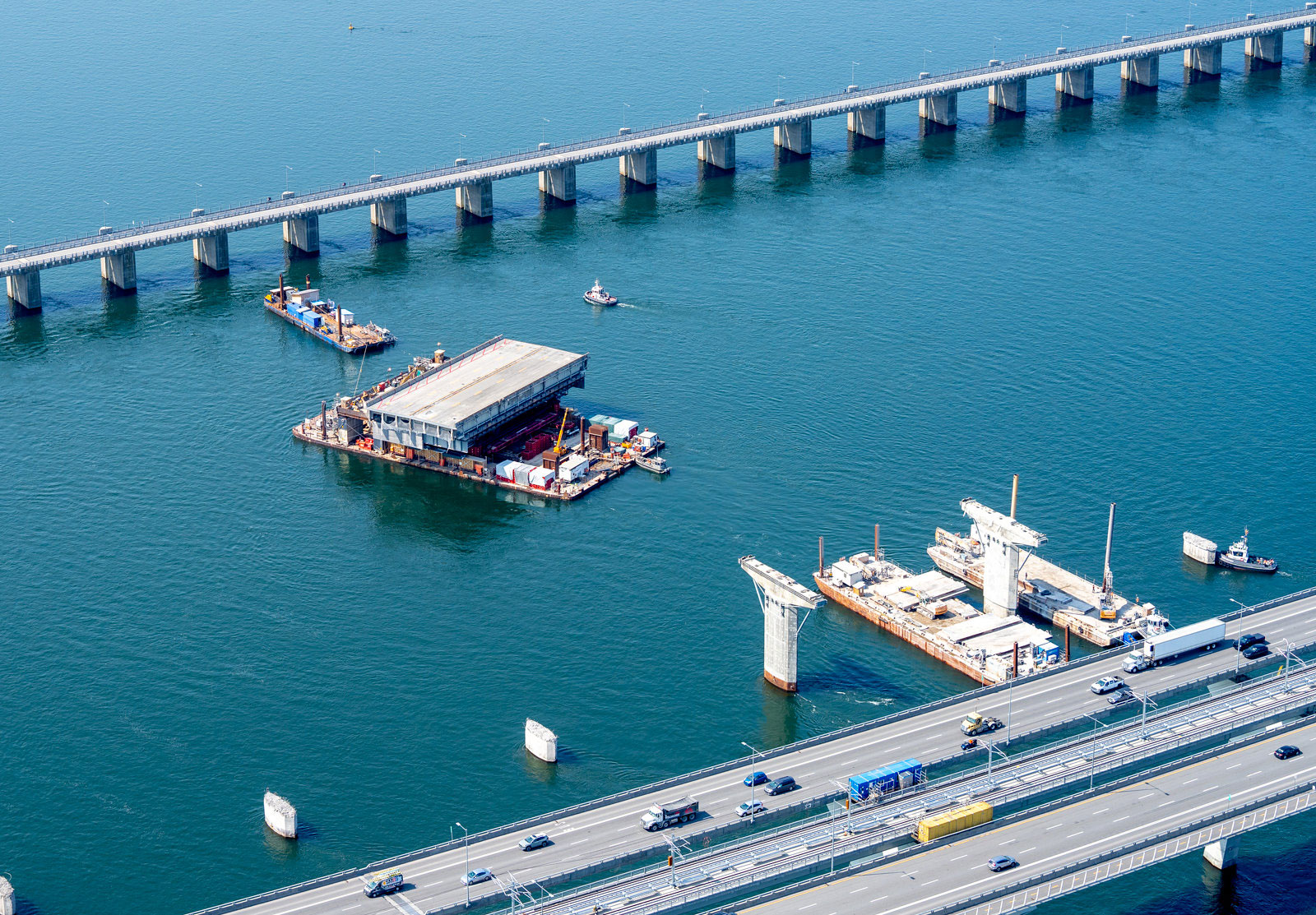
The original Champlain Bridge included large shoreline structures and dock-like platforms used for access and maintenance. As part of the deconstruction effort, two jetties covering approximately 1.5 hectares were dismantled, enabling the restoration of more natural shoreline conditions. This work supported the re-establishment of native vegetation and aquatic habitats, reconnected fragmented wetland and shoreline ecosystems, and restored more natural water flow and sediment processes along the river edge. In parallel, approximately 7 hectares of shoreline space were reclaimed and transformed into bicycle and walking paths, enhancing public access and active transportation opportunities. This integrated shoreline revitalization component is known as the Héritage Champlain Pathway.

Read about the project’s verified sustainability achievements in the full project announcement below.
Highlights from the Spring 2026 Zofnass Research Program Symposium 

The Zofnass Research Program Spring 2026 Pacific Northwest Symposium was held April 9–10, 2026 in Vancouver, British Columbia.

The Zofnass Research Program (ZRP) Spring 2026 Symposium, hosted by the Institute for Sustainable Infrastructure, brought together agencies, practitioners, and infrastructure leaders on April 9–10, 2026, to explore emerging research and real-world applications advancing sustainable infrastructure. 

Through a combination of technical sessions, case studies, and field visits, the symposium focused on connecting research to practice—highlighting how Envision and related tools are supporting more resilient, low-carbon, and community-centered outcomes. 

A Focus on Climate, Carbon, and Resilience 

The opening session examined how infrastructure owners and practitioners are addressing climate hazards while advancing decarbonization across the project lifecycle. Discussions emphasized that effective solutions go beyond technical performance—incorporating stakeholder input and prioritizing human-scale outcomes alongside system function. 

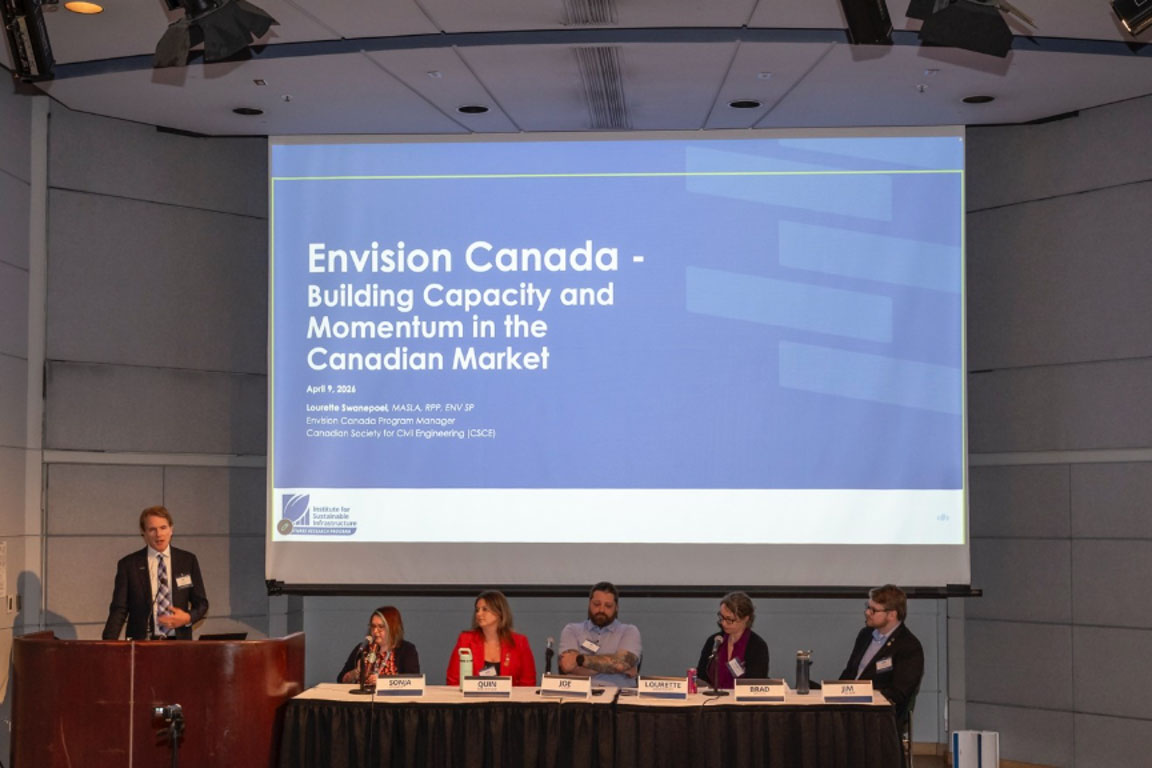
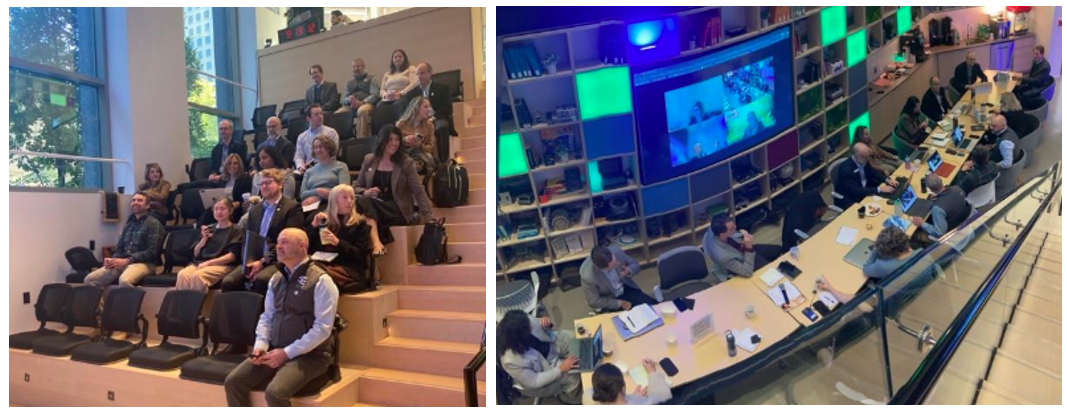
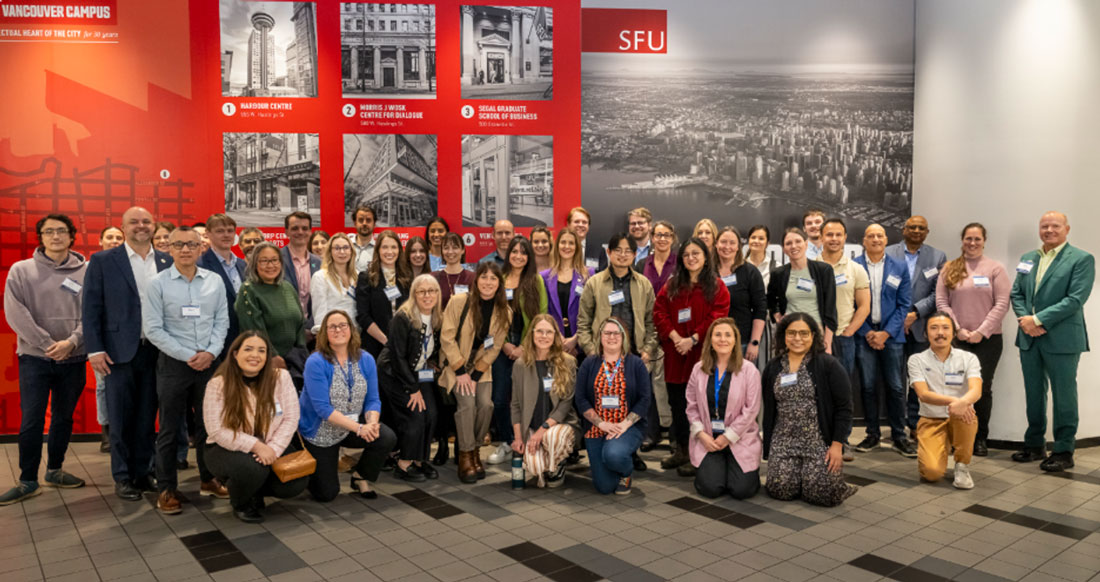
The opening session at Simon Fraser University’s Fletcher Challenge Theatre.

A consistent theme was the role of collaboration in delivering stronger results. As one speaker noted: 

               “Meaningful partnerships create stronger projects.” 

Discussions also highlighted the growing role of digital tools, including digital twins, in improving decision-making and enabling more adaptive, future-ready infrastructure systems. 

Regional Leadership: Envision in the Pacific Northwest 

A regional panel explored how agencies and organizations across the Pacific Northwest are implementing Envision to guide infrastructure decisions and strengthen project outcomes. Speakers shared lessons learned from applying the framework at both project and program levels, emphasizing early integration, alignment with organizational goals, and the importance of internal capacity-building. 

Examples ranged from campus-scale infrastructure renewal to major transit expansions, demonstrating how Envision supports measurable sustainability outcomes while strengthening communication with stakeholders and communities. 

From Framework to Practice: Project Perspectives 

The symposium featured a series of project case studies illustrating Envision in action across transportation, water, and resource recovery infrastructure. 

Jim Grant, HNTB, Sonja O’Claire, Sound Transit, Quinn MacKenzie, luuceo consulting, Joe Cosh, BCIT, Lourette Swanepoel, Calibrate & Envision Canada Program, and Brad Moore, Stantec.

Highlighted projects included: 

► Major transportation corridor improvements enhancing mobility, safety, and community connectivity
►
A large-scale biofuel facility advancing circular economy and renewable energy goals
►
Port and trade infrastructure projects balancing economic growth with environmental stewardship 
►
Complex urban water infrastructure addressing combined sewer overflows and climate risks  

Speakers reinforced that Envision delivers value across project types when supported by strong organizational commitment and clear communication. Teams emphasized that early engagement and consistent collaboration are critical to success, and that Envision is particularly effective as a planning tool—helping guide decisions, align stakeholders, and deliver measurable outcomes. 

Research Spotlight 

The Zofnass Research Program shared research examining how tools like digital twins and sustainability rating systems can enhance infrastructure outcomes. Findings highlighted trends in Envision implementation, including insights into verification practices, value creation, and opportunities for alignment with other rating systems. 

This work continues to inform the evolution of Envision and support more effective, data-driven decision-making across the industry. 

Learning in the Field

On the second day, participants took part in field visits and applied learning sessions across Envision-verified and aligned projects in the Vancouver region. These site tours provided firsthand insight into how sustainability and resilience strategies are implemented on the ground, from ecosystem restoration and active transportation corridors to renewable energy and port infrastructure. 

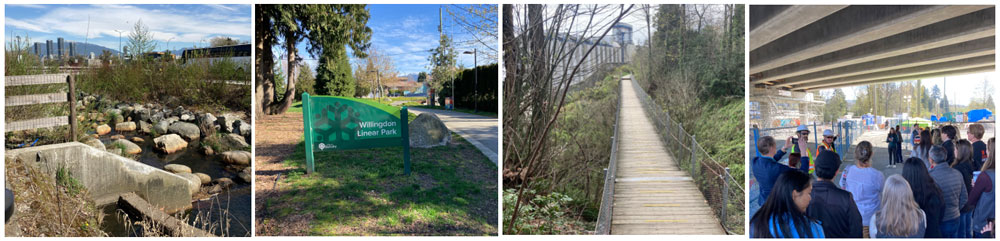
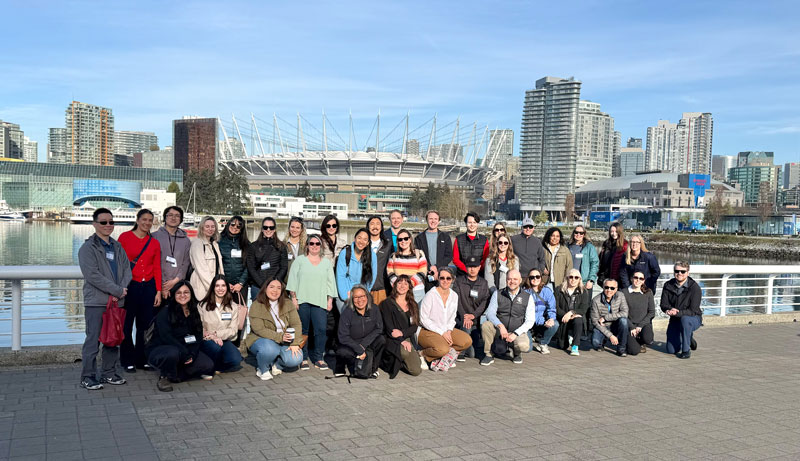
The following projects were visited: (L-R) BCIT North Campus Infrastructure & Guichon Creek Restoration, Willingdon Linear Park, Low Level Road, and Holdom Overpass. Below: Northeast False Creek Renewal and Development.

Participants valued the opportunity to see how Day 1 concepts translated into built outcomes, with one noting that it “clearly connected the discussions to real-world results.”  

Projects included: 

► Northeast False Creek Renewal and Development
►
Willingdon Linear Park
►
Holdom Overpass
►
BCIT North Campus Infrastructure & Guichon Creek Restoration
►
Low Level Road 

Looking Ahead 

The Spring 2026 ZRP Symposium underscored the growing momentum behind sustainable infrastructure—and the importance of connecting research, policy, and practice to accelerate progress. 

As infrastructure systems face increasing climate pressures and evolving community expectations, the conversations and insights shared at this year’s symposium point toward a more integrated, data-informed, and outcomes-driven future. 

Thank You to Our Community 

ISI extends its appreciation to all speakers, partners, and attendees who contributed to a dynamic and collaborative event: 

British Columbia Institute of Technology (BCIT), City of Surrey, Vancouver Fraser Port Authority (VFPA), Sound Transit, City of Seattle Office of the Waterfront, Canadian Society for Civil Engineering (CSCE), Bentley Systems, HNTB, luuceo consulting, Mott MacDonald, Northwest Hydraulic Consultants, Stantec, and WSP.  

And special thanks to our Sustainable Infrastructure Advisory Board member firms for their support: Stantec, HNTB, NV5, Bentley Systems.  

Learn More 

Presentation recordings will be available soon for users in their ISI account, under Education > All Courses. You can create a free ISI account here. 

Completed | Zofnass Research Program Symposium – April 9–10 in Vancouver

r

The ISI Zofnass Research Program (ZRP) Spring 2026 Pacific Northwest Symposium, hosted by our Sustainable Infrastructure Advisory Board was held April 9-10 in Vancouver, BC.
Day 1 featured expert speakers from leading agencies and practitioners advancing sustainable infrastructure, sharing project experiences and research findings related to the application of the Envision framework, with an emphasis on Pacific Northwest case studies. Day two included a guided field visit to Envision-verified projects and projects using the Envision framework in the Vancouver area, with commentary from the teams leading these efforts.

Story to come…

COMPLETED | Envision and PIEVC Training February 19 & 20

New dates for Envision & PIEVC Credential Readiness Training have been announced for February 2026.

This new and unique training is an opportunity to learn about two globally recognized infrastructure tools, the Public Infrastructure Engineering Vulnerability Committee (PIEVC) Protocol for climate risk assessment, and the Envision® Sustainable Infrastructure Framework, and to set yourself on a path to earning recognized and in-demand credentials.

Dates / Time:
Envision course: February 19/20, 2026 – 12:00-3:30 ET each day
PIEVC course: February 23/24, 2026 – 12:00-3:30 ET each day

Each of the two courses will be delivered over two 3.5-hour days or combined over four 3.5-hour days. Sign up for either Envision, or PIEVC, or BOTH courses for a combined discount price!

🔗 Visit this page to register and for more information

Benefits and Learning Objectives

In taking these courses, you’ll learn fundamentals of applying Envision and PIEVC within your infrastructure projects.  Whether you are in the public or private sector, if you are working in procurement, design, contracting, or management, you can utilize these tools to plan and execute capital infrastructure projects that deliver sustainability and climate resilience.

  • Existing ENV SPs are encouraged to sign up for the PIEVC course for a deeper understanding of climate risk and resilience, including alignment with credits under the Envision framework.
  • Existing resilience professionals are encouraged to sign up for the Envision course for a broader understanding of the connections between sustainability, climate mitigation and resilience.

Upon completion of the ENV SP training, participants will be eligible to take a self-directed online exam to earn their ENV SP credential from the Institute of Sustainable Infrastructure. The registration fee covers the training as well as the ENV SP credential exam fees.

Upon completion of the PIEVC training, this course can be applied to both the Infrastructure and Climate Resilience Planning micro credential from Royal Roads University and/or, for eligible participants, the Infrastructure Resilience Professional (IRP) designation through the Climate Risk Institute.

Completed: Formation Envision: le 4 et le 5 février 2026

La Société canadienne de génie civil, en partenariat avec l’Association des architectes paysagistes du Québec, vous invite à participer à sa prochaine formation virtuelle. Toutes les professions et nationalités sont les bienvenues!

Détails

Format : Virtuelle

Dates : 4 et 5 fevrier 2026, 12h00–15h30 HE (la participation aux deux jours est obligatoire pour être éligible à passer l’examen de certification ENV SP)

Langue : La formation se déroulera en français (le formateur, Dimitri Pasquion*, parle également couramment l’anglais).

*Rabais de ~10 % pour inscription hâtive ! (Inscrivez-vous d’ici le 14 janvier 2026)

Le lien pour s’inscrire ou pour obtenir d’autres renseignements est le suivant : Formation Envision.

À propos d’Envision

Le cadre Envision® pour les infrastructures durables est utilisé au Canada depuis sa création, il y a plus de dix ans. En 2021, la Société canadienne de génie civil (SCGC) a conclu le partenariat Envision Canada avec l’Institut pour les infrastructures durables (ISI) et a adopté Envision® en tant que principal cadre pour les infrastructures durables au Canada afin d’accélérer les résultats en matière de durabilité, de résilience et d’équité des projets d’infrastructure canadiens de tous types. Le cadre est appuyé par le titre de professionnel en durabilité Envision (ENV SP), un titre de plus en plus recherché par les professionnels impliqués dans les projets d’infrastructure. Que vous travailliez dans le secteur public ou privé, dans la conception ou la construction, ou sur des projets d’investissement dans les transports, l’eau, les eaux usées, les déchets, l’approvisionnement en énergie, les infrastructures naturelles, etc., la formation permet d’orienter et d’équiper les professionnels avec les connaissances de base nécessaires pour utiliser le cadre global Envision comme un outil permettant d’améliorer la performance en matière de durabilité de leurs projets d’investissement.

À propos de la formation ENV SP

La formation à la certification ENV SP est conçue pour former les candidats au cadre Envision et est maintenue annuellement en s’engageant dans un large éventail d’opportunités de maintien de la certification. À l’issue de la formation, les candidats comprendront le fonctionnement d’Envision, la manière avec laquelle ils peuvent améliorer la durabilité de leurs projets, et seront en mesure d’entreprendre une évaluation de base de la durabilité des projets.

À l’issue de la formation, les candidats pourront passer un examen en ligne sur le site de l’ISI à leur convenance et, en cas de réussite, obtiendront leur certification Envision Sustainability Professional (ENV SP). Il est important de noter que la présente formation constitue un prérequis pour l’examen ENV SP et inclut les frais d’inscription à cet examen.

Objectifs d’apprentissage

► Démontrer comment les infrastructures peuvent relever les défis inhérents au développement durable ;
► Décrire les composantes d’Envision ;
► Évaluer la durabilité des projets d’infrastructure à l’aide du cadre Envision ;
► Décrire le processus de vérification d’Envision ; et
► Utiliser Envision pour planifier, concevoir et fournir des infrastructures plus durables.

Exploring Sustainability and Resilience Through Envision in Montreal

The ERB/SIAB Meeting in Montreal included a site visit of the Samuel De Champlain Bridge.

Over three days in Montreal, Envision leaders and practitioners convened to advance the conversation on sustainable infrastructure. The events included a public panel and a joint meeting of the Envision Review Board (ERB) and the Zofnass Research Program, held in Canada for the first time.

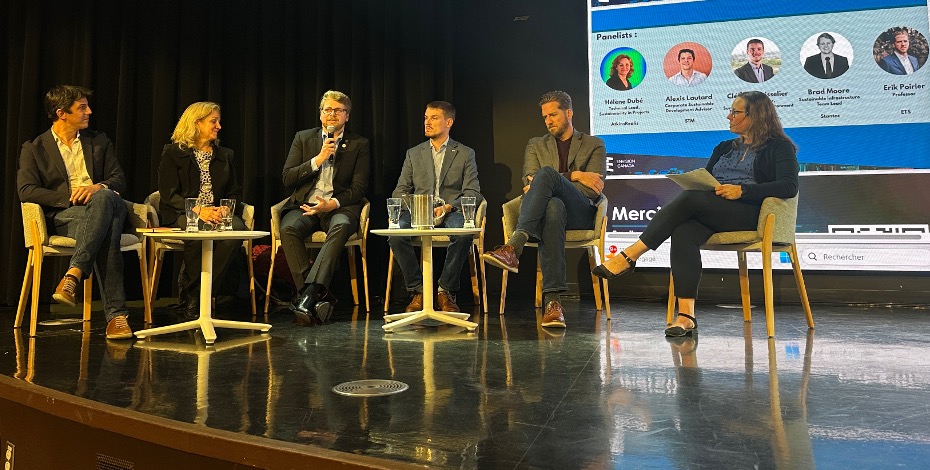
On October 15, an evening panel event hosted at École de technologie supérieure brought together Envision experts, consultants, and owners for an engaging discussion on how the Envision framework can be applied to make projects more sustainable, resilient, and equitable. The discussion provided both strategic insights and practical guidance for organizations at every stage of Envision adoption, from first-time users to experienced practitioners.

Special thanks to the Canadian Society for Civil Engineering (CSCE), Lourette Swanepoel, and Hélène Dubé for helping to coordinate the panel and networking event, which drew attendees that included local Envision Sustainability Professionals (ENV SPs), faculty and students, as well as members of the Envision Review Board (ERB) and Sustainable Infrastructure Advisory Board (SIAB). We also extend our appreciation to ÉTS Montréal for hosting, and to Julien-Pierre Lacombe, Director of the Office of Sustainable Development, for his opening remarks and support with logistics for the event.

The panel represented the full project lifecycle — from education and owner initiation to planning, design and construction. Panelists included:

► Alexis Lautard, ENV SP, Société de transport de Montréal (STM), Corporate Sustainable Development Advisor
► Erik Poirier, Professor, Department of Construction Engineering, ÉTS
► Hélène Dubé, ENV SP, AtkinsRéalis Canada, Environment and Sustainability Manager
► Brad Moore, ENV SP, Stantec Consulting, Sustainable Infrastructure Team Lead
► Clément Boisselier, ENV SP, Aecon Group Inc., Sr. Advisor, Sustainability and Environment

Highlights from the Public Expert Panel

The conversation explored a range of key topics, including:

► Integrating Envision into overall organizational or project processes
► The role of universities in equipping students with the skills to incorporate sustainability into professional practice
►
The growing use of digital tools and how they are reshaping our approach to analyzing and designing for sustainability and resilience
►
Challenges to integrating sustainability into projects
►
Examples of when sustainability and resilience considerations and the Envision framework have influenced project planning or design
►
Construction phase perspectives on how Envision can be used in both in planning and site operations

ERB: Envision v4 Development

On October 16, more than 25 ISI staff, ERB members, SIAB representatives, CSCE staff, and professors from local universities met to discuss the next steps for Envision v4 development. ISI’s Anthony Kane provided context and presented data related to v3 projects and feedback collected throughout the year from surveys and listening sessions. The ERB discussed the plan to review challenging topics and draft framework updates throughout 2026. 

ISI wishes to thank AtkinsRéalis for hosting the meeting in their Montreal office and Hélène Dubé with AtkinsRéalis for facilitating meeting logistics.

Site Visit

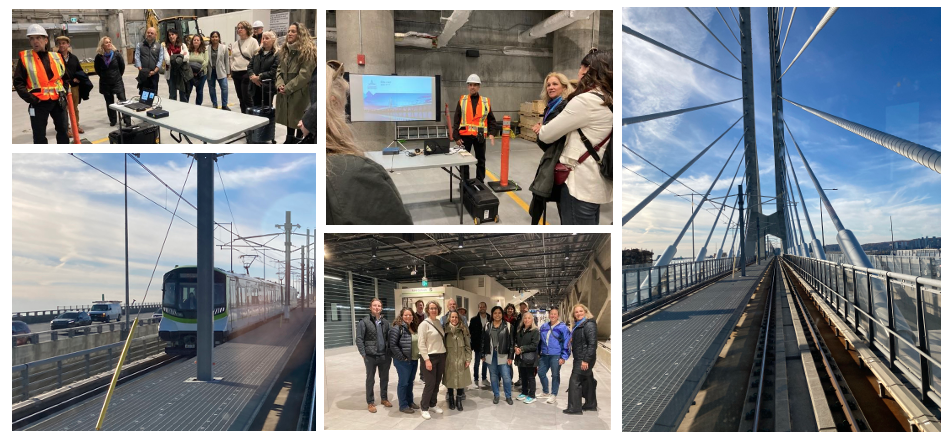
On October 17 in the afternoon, Hélène Dubé with AtkinsRéalis arranged for a site visit to the Samuel De Champlain Bridge (Envision Platinum, 2018). Prior to the visit, the AtkinsRealis Project Director for the Réseau express métropolitain (REM) provided an overview of the rail project, which crosses the bridge. The group walked to Montreal Central Station (Gare Centrale) and took the train to the bridge abutment, where operators provided an overview of bridge construction and operations.

Once again, ISI thanks all the organizations and individuals who made this event possible. We were thrilled to be in Montreal to explore Envision’s role in promoting sustainable infrastructure while celebrating local leadership!

Guichon Creek Restoration Project Featured in Water Canada

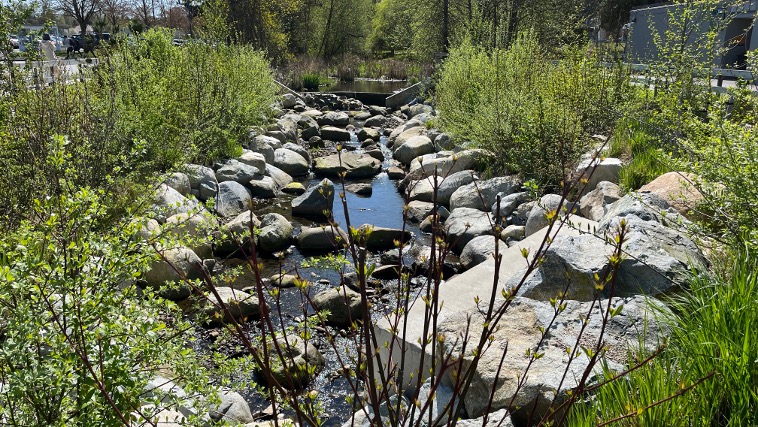
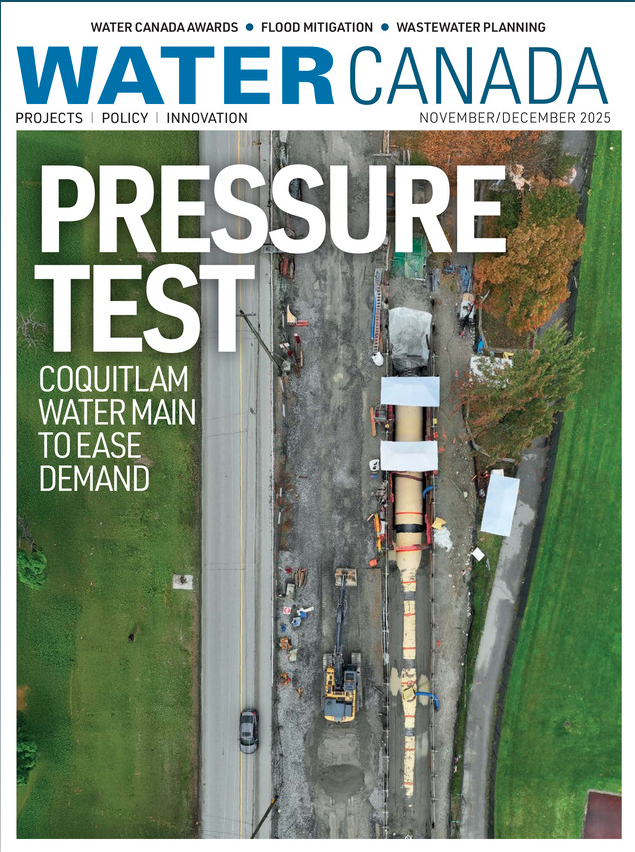
The Guichon Creek Restoration project was featured in the November/December issue of Water Canada Magazine.

British Columbia Institute of Technology’s Guichon Creek Restoration project earned Envision Platinum from ISI in May, 2025. The project was prompted due to the formation of a sinkhole caused by a failing culvert on campus adjacent to one of the buildings on BCIT’s south campus, in Burnaby, B.C. Urgent remediation works were recommended following a site visit that identified the sinkhole would likely grow, posing risks to infrastructure as well as life safety.

When the Burnaby campus was developed, a section of Guichon Creek was culverted to flow underground from the south to north of campus.   The project leveraged the BCIT Campus Plan to develop a prompt strategy that would both address the current sinkhole and mitigate risks of future sinkholes. This solution not only offered enhancements to campus with new green space, but also supported resilience strategies by removing the risk of future culvert failures and sizing the creek’s capacity to accommodate 100-year storm events. Other benefits of the project included installing a fish ladder to support fish migration efforts, contributing to the campus’s Living Labs program, and demonstrate BCIT’s focus on sustainable solutions.

The Water Canada article also cited other Envision-aligned water projects in Canada. In each case, the project teams considered the needs and aspirations of their projects through a multi-faceted sustainability lens — committing to deliver the infrastructure in ways that addressed critical social, environmental and economic aspects. Link to the article.


Completed | CSCE Webinar: Applying Envision to a four-lane overpass

Prabh Banga presented the CSCE tech talk on October 29, 2025, “Envision in Action: Applying Envision to a four-lane overpass.”
She is the Vice-President of Sustainability with Aecon Group Inc., where she leads the development and delivery of Aecon’s sustainability strategy.

Halifax’s Envision-Rated Marine Container Examination Facility Opens

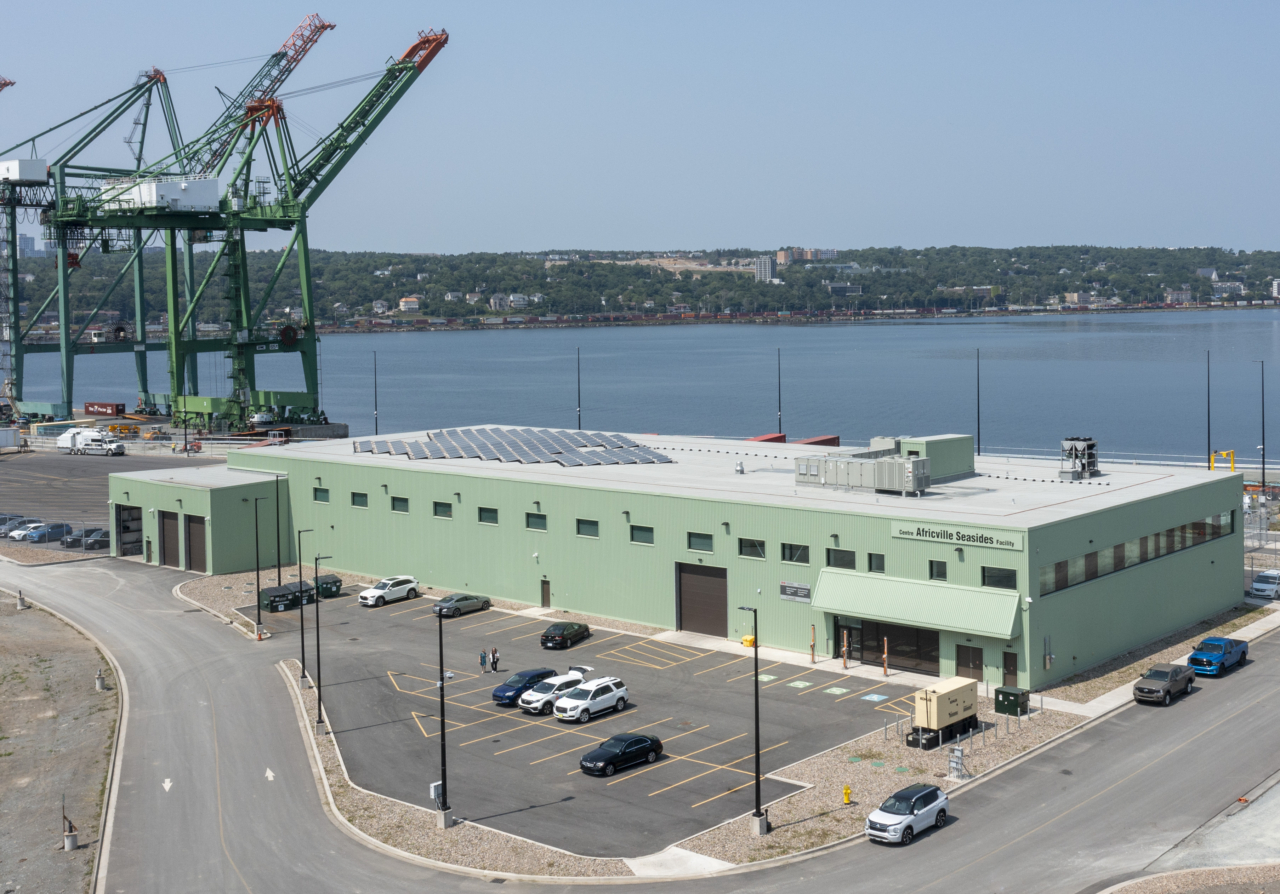
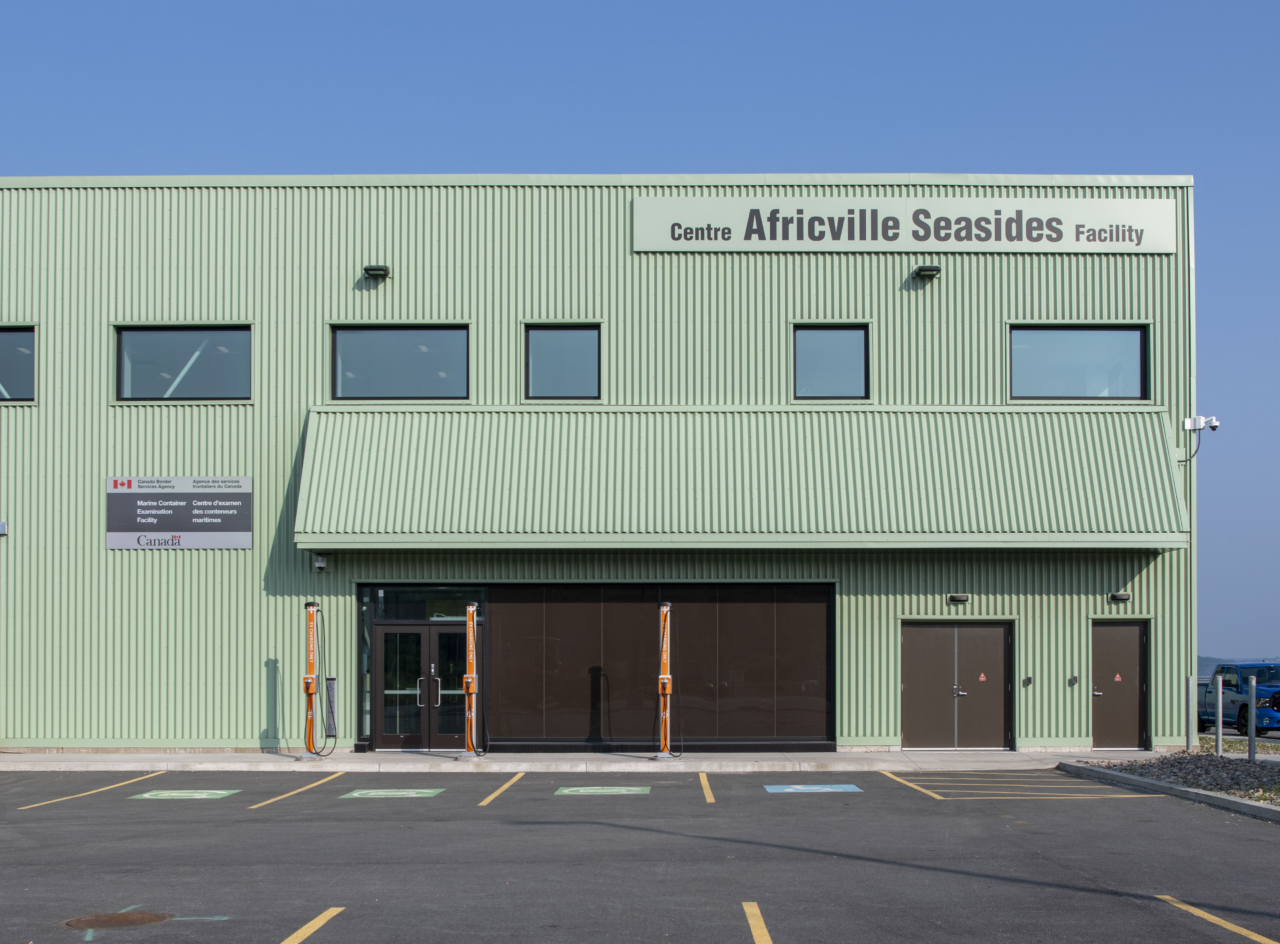
The new Africville Seasides Marine Container Examination Facility. Photo credit Steve Farmer.

Envision Canada is excited to celebrate the opening of Halifax’s new Marine Container Examination Facility, a project that earned an Envision Verified Award for sustainable infrastructure achievements in 2023. An event celebrating the opening on July 16, 2025 was attended by the MP for Dartmouth—Cole Harbour, on behalf of the Minister of Public Safety, along with senior officials from the Canada Border Services Agency (CBSA), the Halifax Port Authority and the Africville community. The building is owned and operated by the Halifax Port Authority, and is used by the CBSA.

At the time of the award, the facility was referred to as the Fairview Cove MCEF. It has been renamed to honor the contributions of the historic black community of Africville in Nova Scotia. Community members and descendants chose the name Africville Seasides Marine Container Examination Facility at the Port of Halifax to honour the historic Africville Seasides hockey team.

CBSA News Release 
Port of Halifax News Release

The backgrounder CBSA provided on the Africville Seasides Marine Container Examination Facility noted the following:

The Marine Container Examination Facility is an Envision-Verified infrastructure project, scoring 26% above industry standards under the Institute for Sustainable Infrastructure rating system. The building has many sustainable features including:

* A solar photovoltaic system
* A rainwater harvesting system
* Development of a Construction Sustainability Checklist that all contractors were required to submit as part of their tender submission
* Development of a Contractor Tracking Tool for earthworks, materials, energy use, and water use, motion-activated LED fixtures
* In-floor radiant heating
* Building generator for backup power
* Security fence rear compound for holding all containers marked for examination
* EV charging stations

View the Envision Award Announcement / Project Profile from August 2023

Exterior shot of Africville Seasides MCEF provided by the Port of Halifax. (Photo credit Steve Farmer).

Completed | Envision Training at National Water & Wastewater Conference | November 2–5, 2025

We’re excited to announce a new training program being offered as part of the NWWC 2025.

Under the Envision Canada partnership, the Canadian Society for Civil Engineering (CSCE) and Institute for Sustainable Infrastructure (ISI), the Conference will be offering an in-person Envision Sustainability Professional (ENVSP) Training. This one-day training will qualify you to register for the Envision professional exam to earn your professional ENV SP credential from the ISI. Please note, the training is included in the Conference registration, but there is a fee to take the credential exam following the training session.

Offered on Wednesday, November 5 as a full day add on to Conference registration this training session is an excellent opportunity to add even more value to your NWWC 2025 attendance. This Workshop is offered free of charge, but pre-registration is required, and it can be easily added when you are registering for the Conference.

CWWA has included information about the Envision for its members here

Registration to the conference